April Frost Will Threaten Favorite Summer Crop Harvests
MONMOUTH COUNTY – New Jerseyans look forward to summer every year, not just for the Jersey Shore, but for the fresh fruits and vegetables that define The Garden State. But this summer harvest may be smaller than normal, owing to an early-season heat wave followed by a late-season freeze that is estimated to have destroyed upwards of 90% of this year’s crops.
In April, the Mid-Atlantic region (spanning from Virginia to New York) experienced a historic heat wave that caused summer-like temperatures too early in the season. This heat sped up the biological process for many crops.
This early blooming then left the crops exposed once a late-season frost hit. The official Old Farmer’s Almanac reports that the last freeze of the season was April 16 when temperatures plummeted below 25 degrees Fahrenheit at night.
The consequences of this unnatural weather pairing have hurt not just Monmouth County’s crops and produce but those of the entire state of New Jersey. Gov. Mikie Sherrill’s office has projected more than $300 million in losses statewide.
A state of emergency
Sherrill declared a state of emergency May 20 and has requested a federal disaster designation for the state’s farms. Temperatures in April climbed above 90 degrees before dropping into the 20s between April 19 and 22 — a swing of some 70 degrees inside a fortnight.
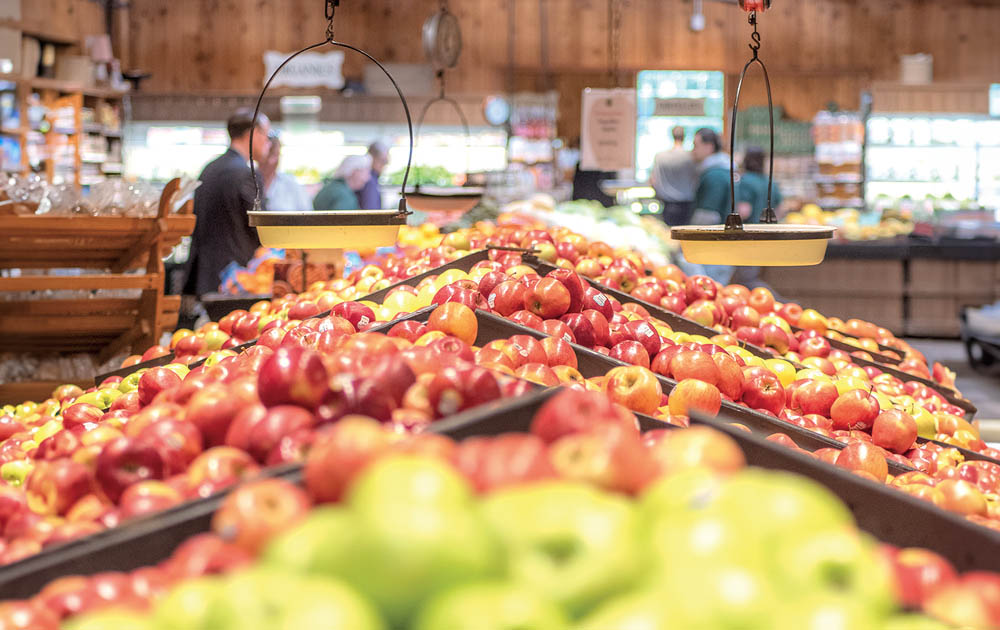
Apples, blueberries, peaches, cherries, grapes and strawberries were among the crops most severely affected, with some growers reporting near-total loss.
On the farms
At McCormack Farm in Middletown, Leah McCormack said frozen asparagus had to be discarded. At Delicious Orchards in Colts Neck, Michael McDonald walked rows of apple trees left nearly barren by the freeze.
The cold snap reached beyond the crops themselves. Karl Menzer reported that Delicious Orchards lost six beehives to the freeze. Jeff Burd of the Central Jersey Beekeepers Association said bees typically regulate their own temperature and that colonies usually recover from an event like this within weeks.
What comes next
Farmers weighing whether to replant face a difficult calculation: seed and fertiliser costs have risen, and forecasters are predicting a hotter, drier summer than usual.
William Errickson of the Rutgers Cooperative Extension pointed to the resilience growers have shown through previous seasons, and recommended proactive measures — crop insurance and improvements to irrigation among them — to soften the blow of the next weather event.